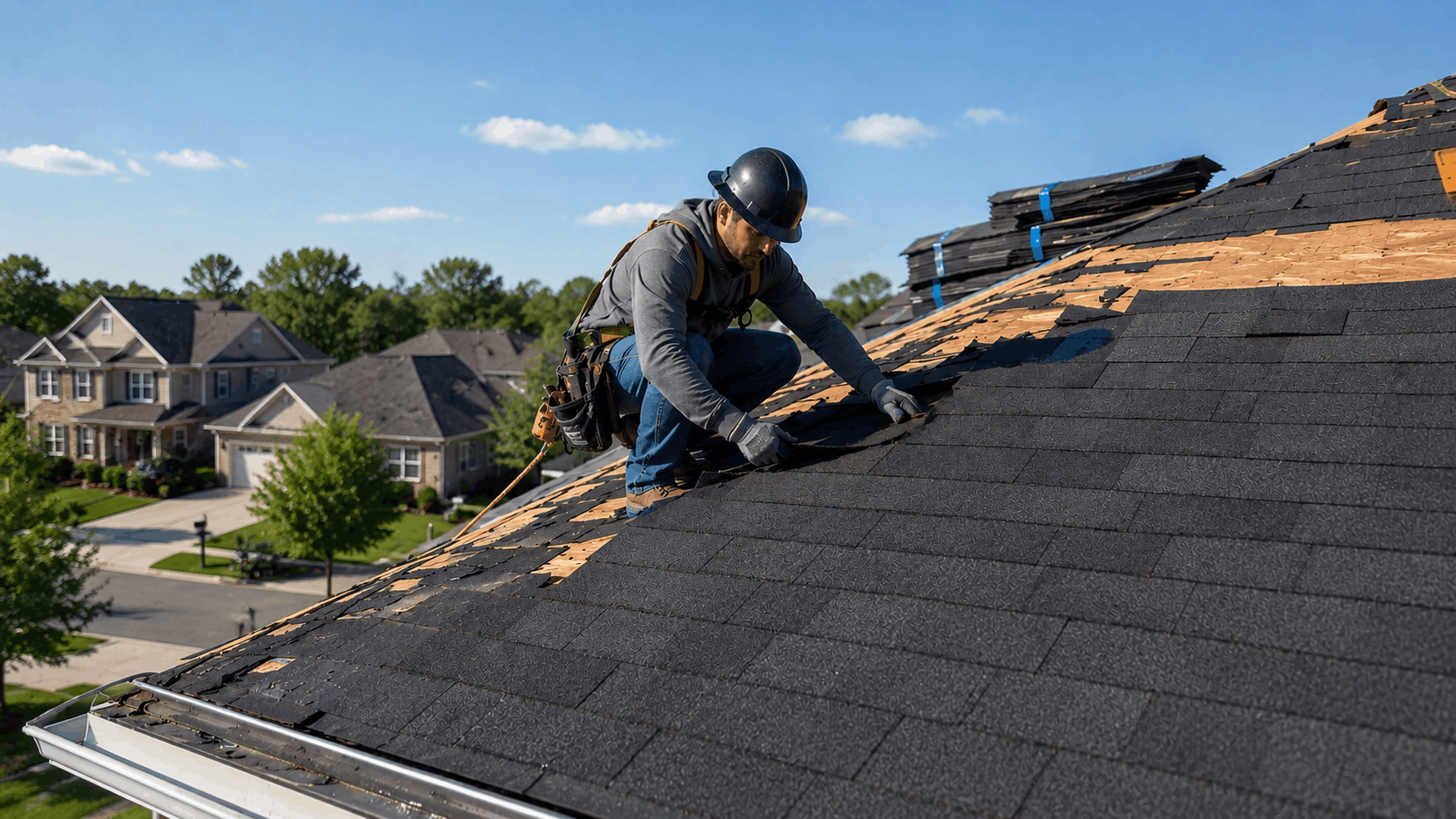
Your roof is one of the most important parts of your home. It protects your family, belongings, and the entire structure from rain, wind, heat, and changing weather conditions. However, many homeowners wait too long to address roofing problems because they assume a small repair will solve the issue.
While some roofing problems can be fixed with a simple repair, there are situations where repairs are only a temporary solution. When damage becomes extensive or your roof reaches the end of its useful life, a complete roof replacement may be the smarter and more cost-effective option.
Understanding the warning signs can help you make the right decision before minor issues turn into expensive damage.
Here are 7 signs your roof may need replacement instead of repair.
1. Your Roof Is More Than 20 Years Old
One of the first things to consider is the age of your roof. Most asphalt shingle roofs are designed to last approximately 20 to 30 years, depending on the quality of materials, installation, weather conditions, and maintenance.
If your roof is approaching or exceeding that timeframe, repairs may only extend its life temporarily. Roofing materials naturally become weaker over time due to constant exposure to sunlight, temperature changes, rain, and wind.
Even if your roof does not have obvious leaks, an older roof may already be losing its ability to properly protect your home.
A professional inspection can help determine whether your roof still has enough life left or if replacement is the better investment.
2. You Notice Multiple Leaks or Water Damage Inside Your Home
A small leak does not always mean you need a new roof. Sometimes, replacing damaged shingles, repairing flashing, or sealing a specific area can solve the problem.
However, if you are experiencing multiple leaks throughout your home, recurring water stains on ceilings, or moisture problems in your attic, the issue may be more widespread.
Water damage often indicates that your roofing system is no longer providing proper protection. The problem may involve damaged shingles, deteriorated underlayment, poor ventilation, or aging materials.
Repeated repairs can become expensive over time. In many cases, replacing the entire roof provides a more reliable long-term solution.
3. Your Shingles Are Curling, Cracked, or Missing
Asphalt shingles are designed to create a protective barrier over your home, but they can deteriorate after years of exposure to weather conditions.
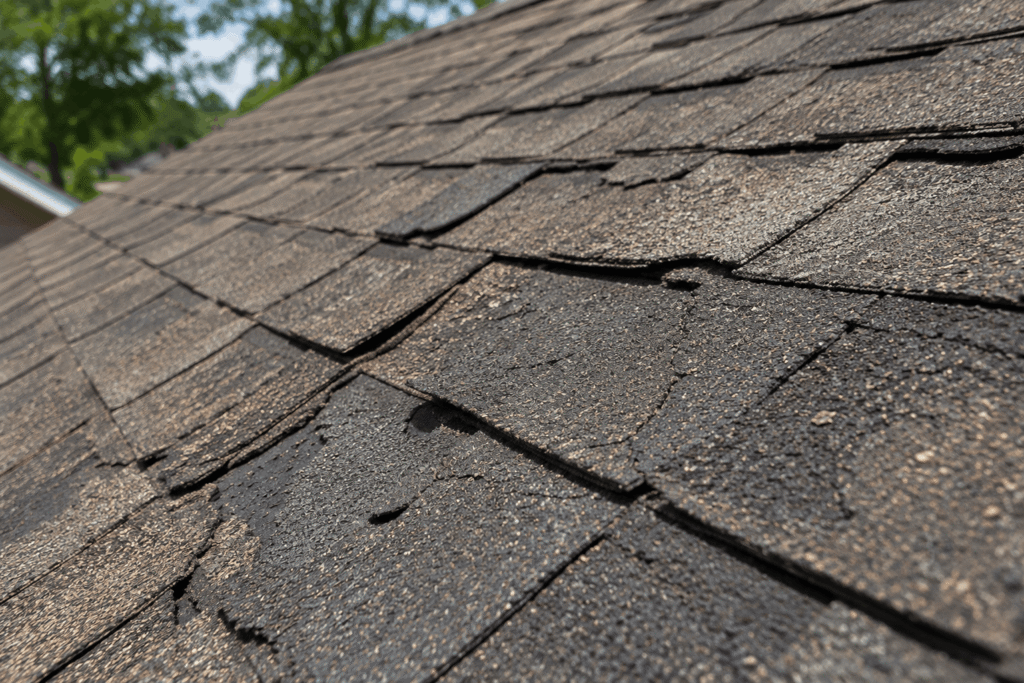
Look for signs such as:
- Curling or lifted shingle edges
- Cracked shingles
- Missing shingles after storms
- Bald spots where granules are gone
- Uneven areas across the roof
When shingles start failing across large sections of your roof, repairs may not be enough. Replacing a few damaged shingles can help with isolated problems, but widespread deterioration usually means the roof system is reaching the end of its lifespan.
Modern roofing products, such as GAF Timberline HDZ shingles, are designed with advanced features that improve durability, appearance, and protection against harsh weather conditions.
4. Your Roof Has Sagging Areas
A roof should have a consistent shape and structure. If you notice sections that appear to sag, dip, or look uneven, this could indicate a serious problem.
Sagging can be caused by issues such as:
- Moisture damage to the roof deck
- Structural problems
- Long-term water exposure
- Improper installation
This is not usually a problem that can be solved with a simple repair. A professional evaluation is necessary to determine the extent of the damage and whether replacement is required.
Ignoring a sagging roof can lead to more significant structural issues in the future.
5. Your Roof Has Excessive Granule Loss
Asphalt shingles are covered with protective granules that help shield them from UV rays and weather damage. Over time, some granule loss is normal, especially after installation.
However, if you notice large amounts of granules collecting in your gutters or around your property, it may be a sign that your shingles are deteriorating.
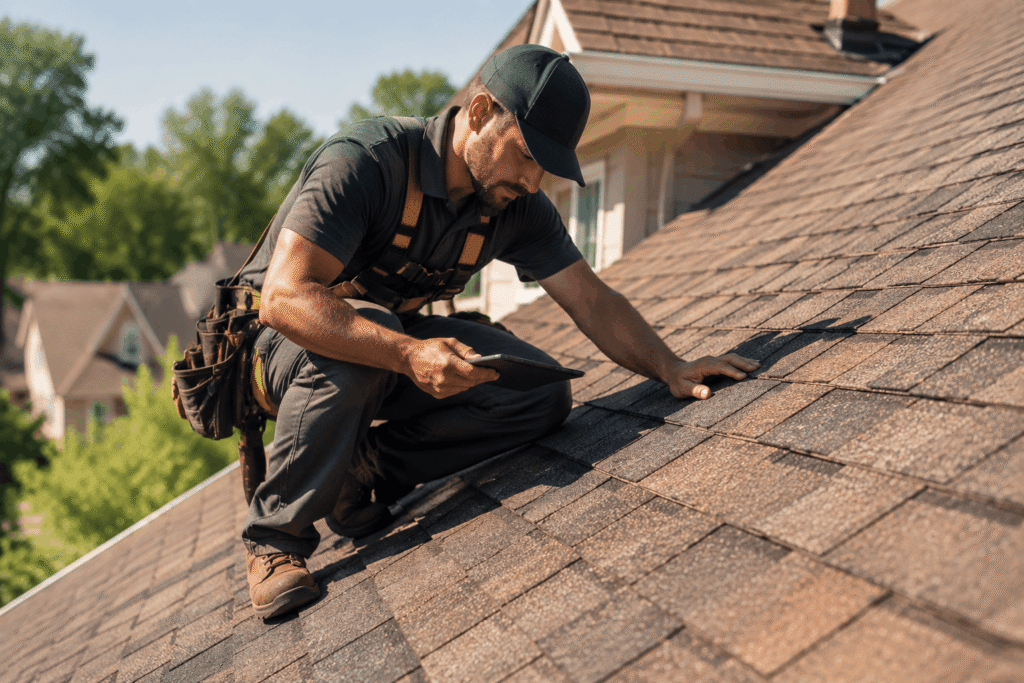
Without these protective granules, shingles become more vulnerable to sunlight, moisture, and temperature changes.
A roof with significant granule loss may no longer provide the protection your home needs, making replacement a better option than continuous repairs.
6. Your Energy Bills Are Increasing
Many homeowners do not realize that roofing problems can affect energy efficiency.
A damaged or poorly ventilated roof can allow excessive heat to build up in your attic during warm months. This forces your HVAC system to work harder, increasing energy costs.
Problems such as:
- Poor attic ventilation
- Damaged roofing materials
- Insufficient insulation
- Aging shingles
can all contribute to reduced efficiency.
A roof replacement is an opportunity to improve your entire roofing system by installing quality materials, proper ventilation, and modern roofing components designed for better performance.
7. You Are Constantly Paying for Roof Repairs
One of the biggest signs that replacement may be necessary is when repairs become frequent.
A single repair every few years is normal for many homes. However, if you find yourself repeatedly calling contractors for leaks, missing shingles, or storm damage, the cost of repairs can quickly add up.
At some point, investing in a new roof becomes more financially practical than continuing to repair an aging system.
A new roof can provide:
- Better protection
- Improved curb appeal
- Increased home value
- Greater peace of mind
- Fewer maintenance costs
Repair or Replace: How Do You Make the Right Decision?
The decision between repairing and replacing your roof depends on several factors, including the age of your roof, the extent of the damage, the condition of your shingles, and your future plans for the property.
A small isolated issue may only require a repair. However, widespread damage, aging materials, or repeated problems usually indicate that replacement is the better choice.
The best way to know for sure is to schedule a professional roof inspection. An experienced roofing professional can evaluate your roof and recommend the most practical solution based on its current condition.
Choosing Quality Roofing Materials for Your Replacement Project
If your roof does need replacement, choosing the right materials is just as important as choosing the right contractor.
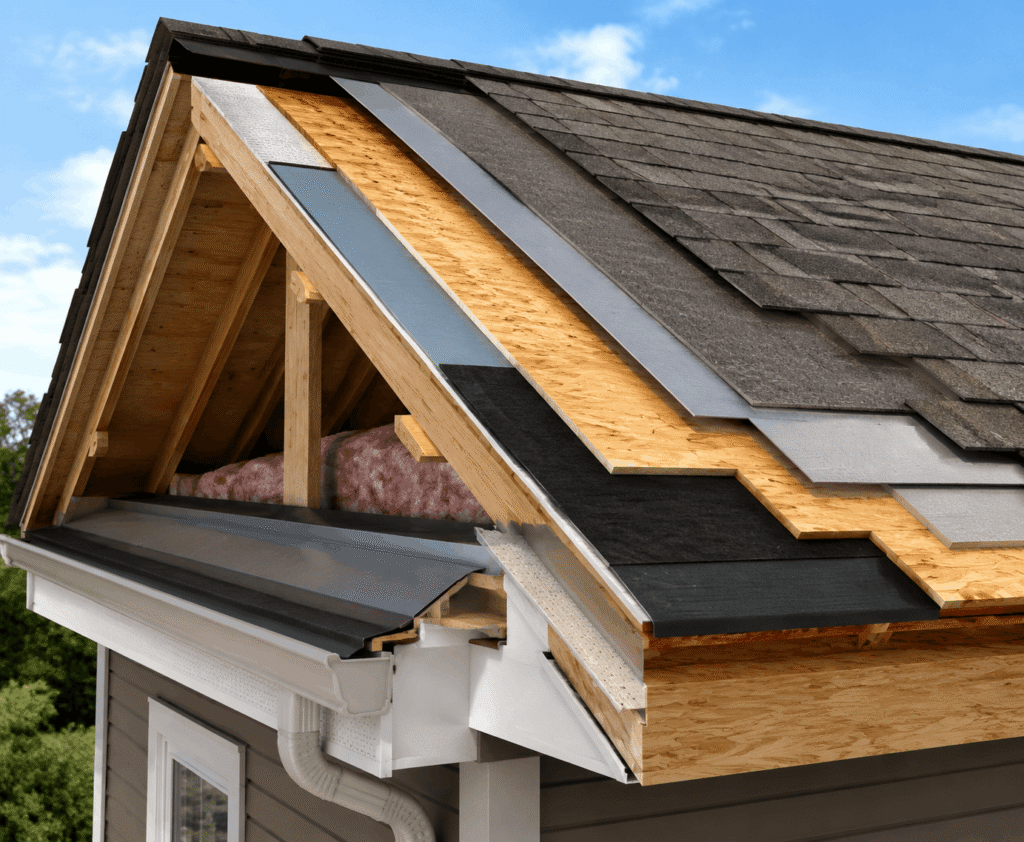
A complete roofing system includes more than just shingles. Components such as starter shingles, underlayment, ice and water protection, ventilation, flashing, and roofing accessories all work together to protect your home.
At Integra Roofing Supply, we provide quality roofing materials designed to help contractors complete reliable and long-lasting roofing projects.
Whether you are replacing an aging roof or preparing for a new installation, having the right materials can make a significant difference in the final result.
Final Thoughts
Knowing the warning signs of roof failure can help you avoid unexpected damage and costly repairs. While some roofing issues can be repaired, there are times when replacement is the safer and more economical choice.
If your roof is aging, showing widespread damage, or requiring frequent repairs, it may be time to consider a complete replacement.
A strong roofing system starts with quality materials, proper installation, and making the right decision at the right time.